How Online Casinos Detect VPNs, GPS Spoofing and Fake Locations
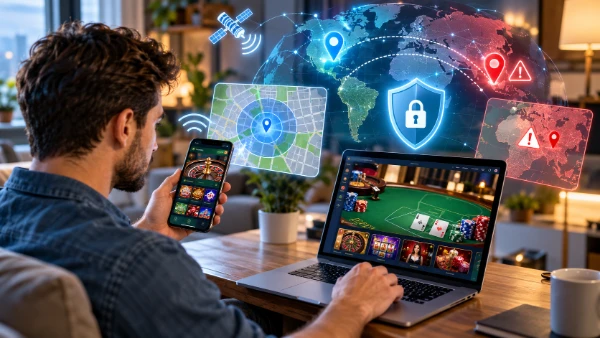
Online casinos may need to confirm where a player is physically located because real-money gambling can be restricted by licence or local law. A VPN, fake GPS app or remote connection can alter one signal, so modern checks usually compare several. If they conflict, wagering may stop until the location is verified again.
Why Casinos Check More Than an IP Address
A VPN mainly changes the public IP address visible to a website. Geolocation systems can compare it with records of known VPN servers, proxies and Tor exits. They may also notice when many accounts use the same network or when a connection resembles a relay rather than a normal home or mobile connection.
For readers using no-limitway.net, it helps to separate casino content from geolocation rules. Access to games and eligibility for real-money play are different issues: checks depend on the operator, its licence and the player’s jurisdiction. Not every casino uses identical location controls.
IP location is not perfect. Mobile networks can route traffic through another city and privacy tools can create false positives. Stronger systems therefore treat an IP address as one clue rather than final proof and compare it with information from the player’s device.
How GPS Spoofing and Device Tampering Are Flagged
On a phone or tablet, GPS coordinates can be compared with nearby Wi-Fi, cellular data and the current IP address. If GPS places the device in one area while other signals point elsewhere, another check may follow. An unrealistic jump between distant locations can raise the same concern.
Systems may also look for signs that a device has been altered. Rooted or jailbroken phones, emulators, fake-location apps and remote-access tools can make location data less trustworthy. One sign does not prove abuse, but several unusual signals together can cause verification to fail.
Changing only a browser or IP address may not change the result. Current readings can be compared with earlier sessions and device history. If the same device appears to move between distant places too quickly or its coordinates repeatedly conflict with network data, the activity can be flagged.
What Happens When a Location Check Fails
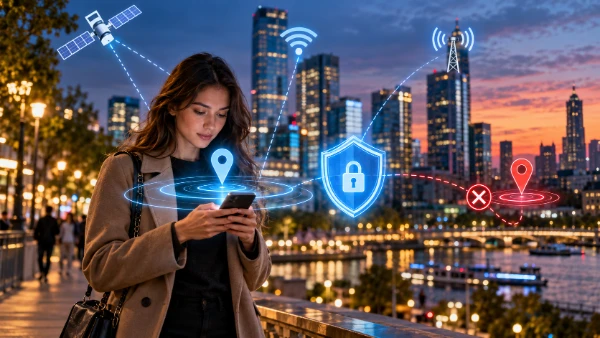
A failed check does not automatically mean cheating. Location permission may be disabled, a workplace VPN may be active, or the user may be close to a restricted border. Depending on local rules, a casino can pause wagering, request a fresh check or ask the player to correct device settings.
Some regulated systems repeat geolocation during a session rather than checking only once. Pennsylvania’s technical rules, for example, require periodic rechecks and more frequent checks near the state border. A player who passed at login can therefore lose wagering access later if location can no longer be confirmed.
For a genuine error, enable the required location permission, close prohibited VPN or remote-access software, use a stable local connection and try again. If the problem remains, customer support can explain what failed. Attempts to bypass location controls may breach an operator’s terms.
Why Several Location Signals Matter
Geolocation is mainly a compliance and fraud-control measure. Where gambling is limited by territory, operators need evidence that bets are accepted only from permitted areas. The same data can help flag account sharing, remote control of another person’s device or several accounts linked to one device.
For players, the key difference is between collecting a location and verifying it. GPS shows where a device reports itself to be; verification asks whether that report is credible when compared with network, device and historical information. This makes simple spoofing less effective without treating every unusual connection as fraud.
By 2026, casino geolocation is best understood as a set of cross-checks rather than a single map pin. The exact method varies by operator and jurisdiction, but the principle is consistent: confidence rises when independent signals agree. If they conflict, wagering may pause until location is verified.